





The workout industry continues to evolve quickly, and 2026 signals a shift towards smarter programming, stronger technology integration and more inclusive training options. For health clubs, leisure centres and commercial gyms, understanding the fitness industry trends that matter most can help you design experiences that attract members and support long-term retention.
Below are 12 key fitness trends in 2026 that can strengthen member outcomes.
1. Wearable technology
Wearables now provide accurate, real-time insights into heart rate, sleep, training load and energy expenditure. For facility owners, these tools enhance coaching and make programming more personalised. Members stay more engaged when they can see progress, track readiness and monitor recovery. This improves consistency, reduces injury risk and increases perceived value in your programs.
Recommendations:
- Integrate heart-rate tracking into group sessions.
- Offer onboarding sessions that teach members how to interpret wearable data.
- Use aggregate data insights to refine your programming calendar.
2. Fitness programs for older adults
In 2026, older adults are joining gyms more frequently and seeking programs that maintain independence and mobility. This demographic is loyal, consistent and willing to invest in health. Well-designed classes improve member retention and expand your club’s appeal.
Recommendations:
- Introduce “strength and balance” or “active ageing” classes.
- Prioritise resistance training, mobility and fall-prevention movements.
- Offer quieter time slots or smaller groups to improve comfort and confidence.
3. Exercise for weight management
With more people managing weight through lifestyle changes and medication, exercise remains essential for protecting lean mass, metabolic health and long-term outcomes. Members who feel supported in weight management goals stay longer, use more services and attend more consistently.
Recommendations:
- Provide hybrid programs combining strength, low-to-moderate cardio and recovery support.
- Offer educational sessions linking performance, metabolic health and long-term sustainability.
4. Mobile exercise apps
Fitness industry apps continue to support accountability, especially for members who balance between in-facility and at-home training. People want structure, reminders and progress tracking, even when they’re not on the gym floor. Clubs that offer app-connected coaching create a stronger member experience and reduce churn.
Recommendations:
- Provide app-based programs that members can follow between in-person sessions.
- Integrate digital ecosystems for seamless tracking across equipment and devices.
5. Exercises that focus on balance, flow and core strength
Yoga, Pilates, barre and mobility are now essential fitness trends that contribute to member wellbeing. These formats improve core control, reduce injury risk and support mindful movement. Offering these classes attracts diverse age groups, increases off-peak utilisation and differentiates your offering from competitors.
Recommendations:
- Add short mobility blocks before or after strength classes.
- Reframe classes as “movement quality” sessions to broaden appeal.
6. Exercise for mental health
Mental wellbeing is now a primary motivation for joining a gym. People want to feel clearer, calmer and more emotionally resilient. Members motivated by mental wellbeing are highly consistent, value supportive environments and seek long-term membership relationships.
Recommendations:
- Promote the mental health benefits of exercise in communications and signage.
- Offer lower-intensity, mindfulness-focused options alongside HIIT and strength.
- Train staff to discuss stress reduction and wellbeing outcomes.
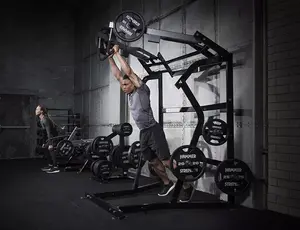
7. Traditional strength training
Free weights remain foundational across all demographics. Members rely on strength training for functional capacity, longevity and resilience. Strength can improve bone density, metabolism and joint stability at every age.
Recommendations:
- Keep layouts beginner-friendly and well-labelled.
- Offer technique workshops that reduce intimidation and improve safety.
8. Data-driven technology
A key fitness trend in 2026 is that gyms and studios are increasingly using performance and recovery metrics to personalise programming. This includes readiness scores, HRV (heart rate variability) trends and sleep insights. Better results mean happier members, increasing retention and upsell opportunities.
Recommendations:
- Use readiness metrics to set session intensities.
- Provide members with simple dashboards instead of overwhelming data.
- Train coaches to translate data into actionable advice.
9. Adult recreation and sport clubs
Social fitness continues to grow. Running clubs, sport leagues and recreational teams build connection, joy and accountability. Community-based programs attract members who want fun over formality and increase brand loyalty.
Recommendations:
- Partner with local clubs or organise sport-focused events.
- Create in-house running, walking or cycling groups.
- Use these sessions as low-barrier entry points for beginners.
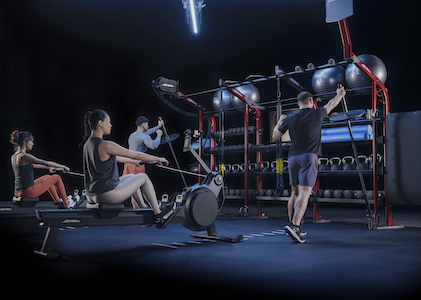
10. Functional fitness training
Functional training in the fitness industry supports real-world movement patterns: lifting, carrying, rotating, stabilising and moving with purpose. It improves strength, mobility and movement confidence, making everyday life easier. In facilities, functional zones attract all ages and skill levels, from beginners to athletes.
Recommendations:
- Implement simple functional blocks within strength classes.
- Provide open-floor times for members who enjoy circuit-style training.
- Add dynamic tools like sleds, kettlebells, sandbags and suspension training.
11. Specialised fitness studios
Boutique studios continue to thrive because they deliver highly curated, trainer-led experiences built around connection and community. Even if you’re not a boutique, these expectations shape what members now look for in every gym environment: personalised coaching and accountability.
Recommendations:
- Create signature classes that feel premium, structured and coach-focused.
- Focus on strong instructor development and consistent programming.
- Build micro-communities within your club through themed classes or member challenges.
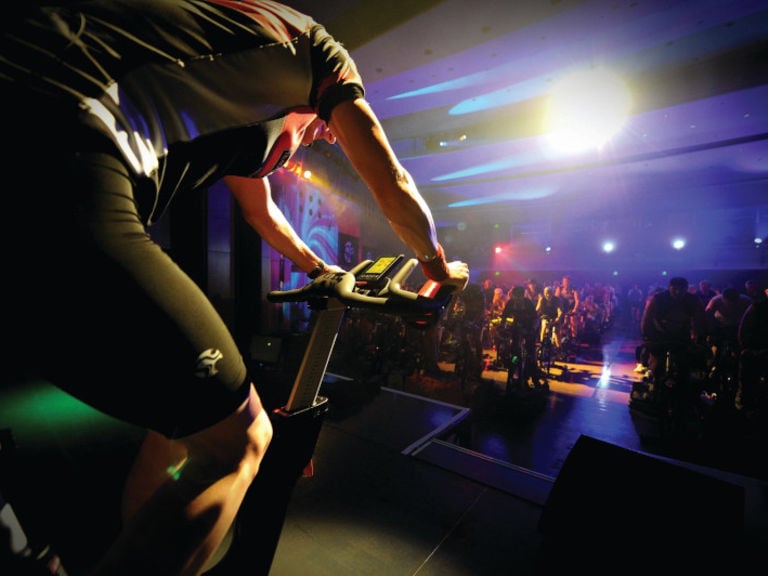
12. High-Intensity Interval Training (HIIT)
HIIT remains popular for its efficiency and adaptability. While not as dominant in the workout industry as in previous years, it’s still a mainstay in the group fitness schedule. Time-efficient workouts appeal to busy professionals, students and members who want quick, measurable results.
Recommendations:
- Offer tiered HIIT formats (beginner, intermediate, advanced).
- Combine HIIT with strength or mobility blocks for more balanced sessions.
- Train instructors to scale intensity for all fitness levels to maintain safety.
Turn trends into long-term success with Life Fitness
These current fitness trends highlight a major shift: exercisers want supported, personalised, health-driven programs and not one-size-fits-all workouts. Facilities that embrace technology, inclusivity, strength training and wellbeing will deliver better results for members and stronger retention for the business.
If you’re ready to align your facility with these emerging directions, explore high-performance strength solutions from Hammer Strength and quality commercial equipment from Life Fitness to upgrade your facility.