



Sustainability has become a major priority across the fitness industry. Gym owners, personal training studios and home gym users are increasingly looking for ways to reduce waste, cut energy use and create spaces that are kinder to the planet. With new innovations and greener product options entering the market, it is now more achievable than ever to build a green gym in Australia without sacrificing performance or durability.
Whether you run a commercial facility or train from home, exploring sustainable fitness gear is a smart investment for both the environment and your long-term operating costs. In this article, we highlight simple equipment choices and innovative practices that support a more eco-friendly fitness space.
Why sustainability matters in fitness spaces
Gyms consume energy, generate waste, cycle through large volumes of equipment and rely on machines that typically run for long hours. This means improving environmental performance has a meaningful impact, especially for commercial facilities.
Home gym owners benefit too. Choosing sustainable fitness gear often means lower electricity costs, longer-lasting equipment and access to products made with better materials. Creating a more eco-conscious home setup also reduces clutter and encourages thoughtful purchasing rather than buying tools that quickly wear out.
Energy-efficient cardio machines
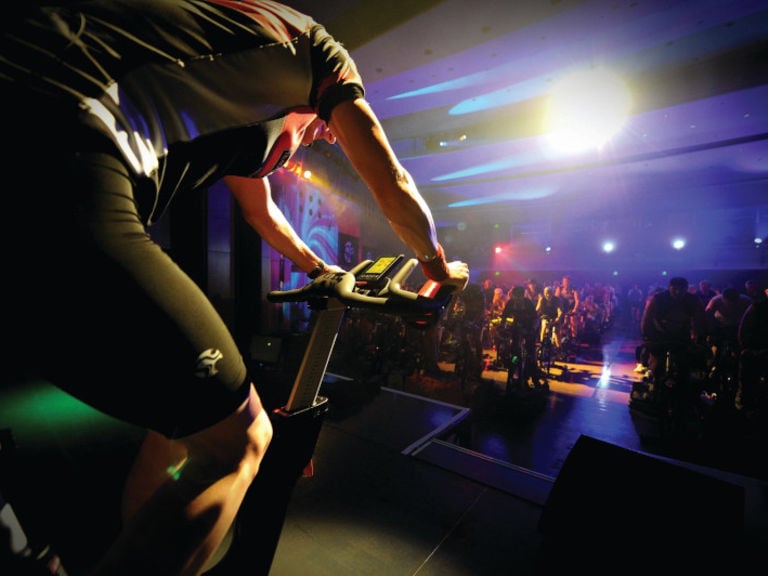
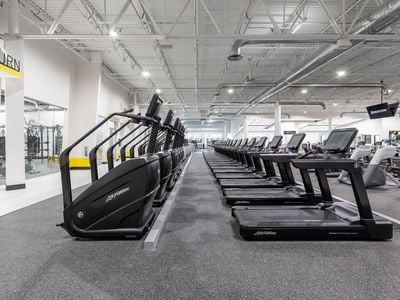
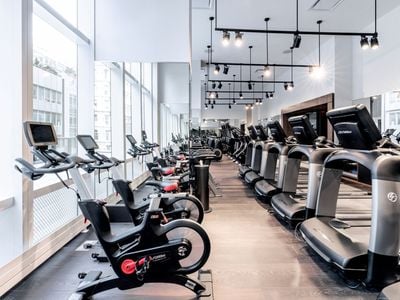
Modern cardio equipment has evolved well beyond traditional high-energy models. Many brands now offer self-powered or hybrid designs that reduce electricity draw significantly. These machines function through user-generated power or use energy-efficient systems to support console operation.
For gym owners, the shift towards low-energy machines is practical and financially beneficial. Over time, even a modest reduction in electrical usage adds up across multiple treadmills, bikes or cross-trainers. For home gym users, choosing energy-efficient options makes it easier to manage household electricity consumption without compromising training quality.
Recycled gym equipment and circular manufacturing
One of the most impactful ways to reduce the environmental footprint of a fitness space is through recycled gym equipment or refurbished equipment. Refurbished machines support circular manufacturing by reusing parts, reducing waste and extending the lifespan of high-quality frames, motors and consoles.
This approach is ideal for gym owners wanting to upgrade their space sustainably or expand their offering without investing in brand-new equipment. Home gym owners can also benefit by accessing commercial-grade machines that have been professionally restored to near-new condition.
Refurbished equipment typically goes through multi-stage inspections, part replacements, surface restoration and performance testing, giving it a second life while preventing materials from entering landfill unnecessarily. When done well, refurbished equipment performs to a high standard and offers exceptional durability.
Eco-conscious strength training tools
Strength equipment offers many opportunities for environmentally friendly choices. Many tools already rely on simple construction and long-term durability, making them naturally aligned with sustainability.
Some sustainable fitness gear for strength training includes:
Cast-iron kettlebells
A single kettlebell can last decades, making it one of the most sustainable fitness investments available. It requires minimal materials and no electricity, and its training value is limitless.
Steel dumbbells and barbells
High-quality free weights rarely need replacement. Many gym owners intentionally choose cast or steel products because they remain functional for decades and are easy to refurbish.
Medicine balls and sandbags
Durable coverings and simple fillings keep these tools functional with minimal material waste. Many options now use recycled or low-impact textiles and rubber.
Flooring and accessories made from recycled materials
Another emerging trend in eco-friendly gym equipment is flooring made from recycled rubber, reclaimed foam or repurposed industrial materials. These products absorb impact well, protect floors and support heavy equipment while diverting waste from landfill.
Accessories such as mats, blocks and rollers are also increasingly manufactured from recycled plastics, cork or sustainable foams. By choosing environmentally conscious accessories, both gym owners and home gym users reduce their environmental impact in smaller but meaningful ways.
Smart ways to reduce waste and build a green gym in Australia
Creating a more sustainable training space does not require a complete overhaul. Whether you manage a commercial facility or curate a home setup, small decisions can significantly lower your environmental footprint and operating costs.
Here are practical ways to build a green gym with less waste:
Repair equipment before replacing it
Many components inside cardio and strength machines can be serviced, tightened or replaced individually. Choosing repair over replacement keeps equipment in circulation longer and dramatically reduces waste. For commercial gyms, this also minimises disruption and saves on long-term costs.
Choose products with replaceable parts
Machines that allow you to replace belts, pads, consoles or individual components are far more sustainable than models that require a full replacement when one part wears out.
Recycle packaging responsibly
Gym equipment typically arrives with cardboard, plastic and foam. Recycling these materials properly helps divert a surprising amount of waste from landfills. Commercial facilities can implement recycling stations in staff areas, while home gym owners can repurpose boxes or recycle via council collection.
Prioritise durable, commercial-grade items
High-quality equipment lasts longer, withstands heavier use and avoids the frequent disposal associated with budget options. Choosing strong, durable machines and free weights is one of the easiest ways to reduce waste and ensure your gym remains functional for years.
Donate or resell equipment rather than discarding it
If you outgrow certain tools or upgrade your space, consider selling, donating or consigning equipment instead of disposing of it. Many PT studios, community centres and new gym owners are eager for secondhand items in good condition. This keeps equipment useful and prevents avoidable landfill waste.
The future of fitness is sustainability
From recycled gym equipment to hybrid cardio machines to long-lasting strength tools, the industry is moving towards more responsible manufacturing and smarter usage.
For gym owners, sustainable equipment helps lower operational costs, reduce environmental impact and strengthen community reputation. For home users, it offers longevity, performance and a more thoughtful approach to fitness.
Find eco-friendly gym equipment in Australia at Life Fitness
At Life Fitness, we make it easier to choose fitness equipment that reduces environmental impact. Our refurbished commercial cardio range goes through a detailed 20-plus-point inspection and rebuild process carried out by certified technicians. Because we reuse 50 to 70 per cent of materials, high-quality gear stays in circulation longer and avoids landfill.
In addition, our solar-powered operations save more than 92 tonnes of CO₂ each year, and we actively recycle cardboard, plastics, metals and circuit board materials across our facilities. Our hybrid cardio machines reduce electricity use by up to 75 per cent, and our self-powered options operate entirely on user-generated energy. If you’re ready to create a greener training environment, explore our full range of sustainable fitness gear at Life Fitness today.