










Setting fitness goals should feel empowering, not overwhelming. The right approach can help you train consistently, stay confident and enjoy the process instead of feeling pressured or burnt out. For anyone aiming to achieve their home fitness goals in Australia, understanding how to create realistic expectations and track meaningful progress is essential.
This guide walks you through how to approach setting workout goals, stay motivated over the long term and measure improvement in ways that actually support your wellbeing.
Start with goals you can actually achieve
The biggest mistake people make when setting workout goals is focusing only on the outcome. A goal like “get fit” or “lose weight” is too vague to guide your daily actions. Instead, shift your thinking towards goals that are specific, practical and time-based.
Here are a few examples:
- Walk for 20 minutes, three times per week.
- Complete two strength sessions each week.
- Add 10 minutes of mobility work before bed.
- Hit a certain number of training days per month.
These goals are achievable, measurable and easy to adjust. The clearer your plan, the easier it becomes to stay consistent.
Choose realistic exercise targets that match your lifestyle
“Realistic” does not mean “easy”. It means choosing goals you can maintain without disrupting your work schedule, family time or energy levels. Setting realistic exercise targets helps you avoid frustration and stay committed long term.
Ask yourself:
- How many days can I train consistently?
- What time of day feels sustainable?
- Do I prefer shorter or longer sessions?
- What equipment do I already have access to?
Consider working out at home
For many people, working out at home naturally boosts consistency because there’s no commute, no crowded gym floor and no waiting around for equipment. Having your space ready to go makes it easier to follow through, even on days when motivation is low.
The right home workout setup also removes friction. A set of dumbbells, a mat or a compact piece of cardio gear can make a huge difference because everything you need is already within reach.
Break goals into smaller progress markers
Tracking success is easier when you divide your goals into manageable steps. If your aim is to run longer distances, increasing your run time by a minute each week is more motivating than trying to double it overnight. Smaller goals help you notice wins more often, which strengthens home workout motivation. These progress markers also improve flexibility. If life gets busy, you can scale goals up or down without abandoning them altogether.
Tracking fitness progress: why it matters
Consistent progress tracking helps you recognise how far you’ve come. It also removes guesswork when you need to make changes. Effective tracking of your fitness progress does not require complicated spreadsheets or advanced tools. You simply need a method that suits your personality and training style.
Here are a few options:
- A notes app listing what you completed each day
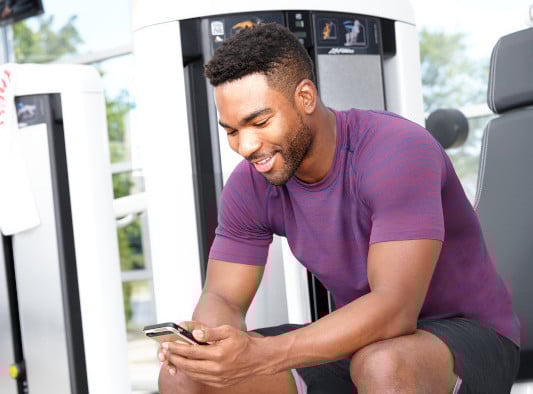
- Fitness apps that sync with your smart equipment
- A wearable that logs heart rate and activity
- A physical calendar you can tick off
- Photos, times, reps or weight logs
How to stay motivated to exercise
Motivation naturally rises and falls, so it helps to build simple habits that keep you moving even when energy is low. Here are practical ways to stay motivated to exercise:
- Build routine into your environment — Keep your shoes, mat or small equipment in sight. When everything is already set up, it’s easier to start without overthinking it.
- Choose activities you actually enjoy — Training feels effortless when you like what you’re doing. Try walking, lifting, cycling, mobility flows or a mix until you find what clicks.
- Track your small wins — Noticing progress boosts confidence. Log an extra rep, a longer walk or a new weekly streak so you can see your consistency building.
- Value consistency over intensity — A quick session is still a win. Regular effort creates better long-term results than waiting for the “perfect” workout day.
- Add a social element when you can — Invite a friend, join an online class or follow a shared program. Accountability and connection make training more enjoyable.
These habits make it easier to build long-term home workout motivation and help you stay committed to your fitness goals in a realistic, manageable way.
Adjust goals as your fitness improves
Your body adapts quickly, which means your goals should evolve over time. If you started walking three times a week and now want a more challenging routine, gradually add distance, pace or strength training. Reassessing every few weeks keeps your plan relevant and stops you from plateauing.
When adjusting, focus on sustainable steps rather than sudden increases. This helps you keep setting workout goals that are achievable rather than overwhelming.
Avoiding common goal-setting mistakes
A few pitfalls can derail even the most determined exerciser. Here’s what to watch for:
- Setting goals based solely on aesthetics
- Jumping into an intense plan before building a foundation
- Comparing your progress to others
- Ignoring rest days or exercising when you are too ill
- Expecting linear improvement every week
Remember that progress is not perfect. Even with realistic exercise targets and strong habits, your energy, schedule and motivation will fluctuate. What matters is your ability to reset and continue.
Bring your goals to life with the right tools at Life Fitness
The best fitness goals are supported by an environment that makes training enjoyable, accessible and sustainable. If you’re ready to refine your routine or upgrade your equipment, Life Fitness offers durable, high-performance exercise solutions for both home and commercial spaces.