






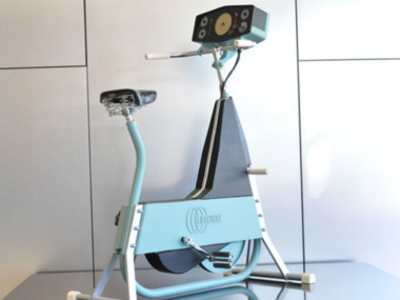

Indoor cycling has become a staple for both home gyms and commercial facilities, offering a reliable way to build cardiovascular fitness without leaving the house. With so many models available, the debate of spin bikes vs exercise bikes continues to be one of the most common questions for people looking to invest in indoor cycling. Each bike type has unique features, training benefits and comfort levels, so understanding the differences will help you make the best decision for your goals.
This guide breaks down the major differences between spin bikes, upright bikes and recumbent bikes and helps you decide whether a spin bike or a stationary bike is the right fit for your training style.
What makes a spin bike unique?
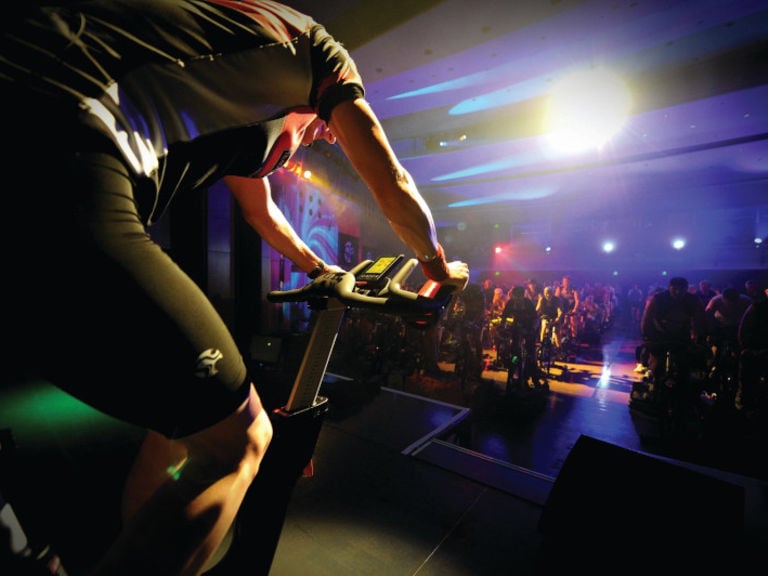
Spin bikes are designed to closely replicate the feel of outdoor road cycling. They feature a heavy flywheel, a forward-leaning riding position and resistance systems that respond smoothly to your pace. This design makes spin training dynamic, versatile and ideal for people who enjoy more athletic riding styles.
Spin bikes are especially effective for:
- High-intensity intervals
- Climbing and sprint variations
- Building power and cadence control
- Rhythm-based or class-style sessions
When comparing a spin cycle vs an exercise bike, spin models tend to offer the most intensity and training variety because they support both seated and standing positions. This ability to shift quickly between movements gives you a more full-body experience and encourages a higher work rate.
Upright bikes: the classic stationary option
Upright bikes are what most people imagine when they think of a traditional exercise bike. They position you in a natural upright posture, with handlebars and pedals aligned for a comfortable indoor ride. Upright bikes provide structured cardio workouts without the aggressive lean or standing transitions found on spin bikes.
These bikes are great for:
- Steady-state cardio
- Increasing daily movement
- Low-impact aerobic conditioning
- Beginners or users returning to training
If you are comparing spinning vs stationary bike options and want something approachable, upright bikes sit right in the middle. They are more intense than recumbent bikes but less demanding than spin bikes, making them suitable for a wide range of fitness levels.
Recumbent bikes: comfort-first cycling
Recumbent bikes are the most supportive style of indoor cycle, thanks to a reclined seat, backrest and forward pedal placement. This makes them ideal for users who want joint-friendly cardio workouts without sacrificing effectiveness.
Recumbent bikes are best suited for:
- Users with back, hip or knee concerns
- Older adults or beginners
- Long-duration cardio sessions
- People who prefer comfort-driven workouts
When deciding on a spin bike vs an exercise bike, recumbent models stand out for their accessibility. They eliminate pressure on the lower back and reduce strain on the knees, which makes them an excellent option for rehabilitation or low-intensity conditioning.
Comparing various bike types
Comparing a spin cycle vs an exercise bike positioned upright or a recumbent bike is really about understanding how each bike feels during a workout.
Riding position
- Spin bikes create an athletic, forward-leaning position similar to a road bike.
- Upright bikes keep you centred and neutral for balanced indoor cardio.
- Recumbent bikes place you in a reclined, supported position for maximum comfort.
Intensity
- Spin bikes support high-resistance climbs and sprints.
- Upright bikes provide consistent moderate-intensity training.
- Recumbent bikes focus on low-impact, long-duration comfort.
Muscle engagement
- Spin bikes involve more full-body movement, including core, upper body and lower body.
- Upright bikes emphasise quads, hamstrings and glutes with moderate core engagement.
- Recumbent bikes prioritise lower-body activation with minimal upper-body strain.
Training goals
Choose a spin bike or a stationary bike based on whether you want power, comfort or versatility. Spin bikes lean towards performance and intensity, while upright and recumbent bikes deliver structured cardio with varying levels of impact and support.
Which burns more calories?
Calories burned vary based on intensity, duration and resistance, but generally:
- Spinning bike workouts tend to burn more calories because spin bikes encourage higher effort, faster transitions and standing work.
- Upright bikes can burn similar calories with sustained resistance and cadence.
- Recumbent bikes burn slightly fewer calories but allow longer workouts due to their comfort and support.
Ultimately, consistency matters more than the specific bike. The best results come from choosing the bike that encourages you to train often and enjoy the process.
How to choose the right bike for your goals
If you’re still unsure, here’s a quick summary of how to choose between the various bike types.
Choose a spin bike if:
- You enjoy intense, fast-paced cycling.
- You want interval training, climbs and sprints.
- You like the feel of road-style riding.
- You want a more dynamic workout that supports standing and seated positions.
Choose an upright bike if:
- You want approachable, moderate-intensity cardio.
- You prefer a traditional riding posture.
- You want a versatile bike for daily fitness.
- You value comfort but still want room to increase intensity.
Choose a recumbent bike if:
- You need maximum back and hip support.
- You want long sessions without discomfort.
- You prefer low-impact aerobic exercise.
- You are recovering from injury or managing mobility limitations.
Shop our full range of cycles at Life Fitness
If you’re ready to explore indoor cycles built for different training styles, you’ll find a full range of options through Life Fitness. Whether you’re fitting out a commercial space or adding to a home setup, the collection includes performance-driven indoor cycles designed for durability and smooth resistance.
You can compare spin-focused models through the ICG indoor cycles range, explore upright bikes or choose enhanced comfort and support with our commercial recumbent bikes, all built to deliver reliable, long-term performance.