






Running seems simple, but ask any beginner powering through their first kilometre, and they’ll often say breathing is the hardest part. If you’ve ever wondered how to breathe when running, you’re not alone. Mastering your breath can help you run longer, recover faster and make the experience more comfortable. In this guide, we’ll explain why breathing matters, how to breathe when you run and what techniques can improve your efficiency over time.
Why breathing matters when you run
Running increases your body’s demand for oxygen. As your muscles work harder, your heart rate rises and your lungs need to keep up. If breathing becomes shallow or irregular, your oxygen intake can drop — causing fatigue much sooner than expected.
Learning how to breathe when you run is just as important as choosing the right shoes or building up your stamina. Efficient breathing reduces overall strain, improves energy delivery to your muscles and supports better posture and control throughout your session.
How are you supposed to breathe when running?
Short answer: rhythmically, deeply and through your mouth and nose.
Everyone breathes a little differently, but in general, runners benefit from a breathing rhythm that syncs with their stride. Try inhaling for two steps and exhaling for two steps in a 2:2 pattern. For slower runs or warm-ups, a 3:3 rhythm might feel more natural.
You can breathe through your nose, mouth or a combination. For higher-intensity runs, most people naturally switch to mouth breathing. It allows more oxygen to flow in quickly, especially when your pace picks up.
How to improve breathing when running
Breathing is automatic, but efficient breathing takes practice. Here are a few ways to train your lungs:
- Practice belly breathing — Instead of shallow chest breaths, try deep diaphragmatic breathing. Place a hand on your belly and focus on making it rise and fall as you inhale and exhale. This encourages deeper oxygen intake and steadier rhythms.
- Train your breathing on walks — Focus on steady, deep breathing while walking. It’s an easy way to build awareness and control before adding the impact of running.
- Use breathing rhythms — Stick to a 2:2 or 3:3 breathing pattern on your runs. It may feel awkward at first, but it’ll soon become second nature and you’ll notice the difference in your endurance.
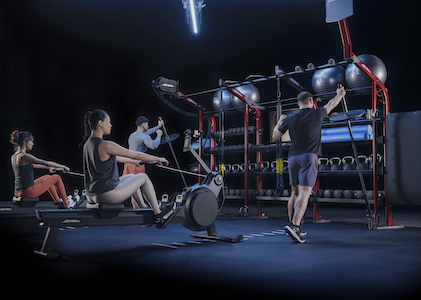
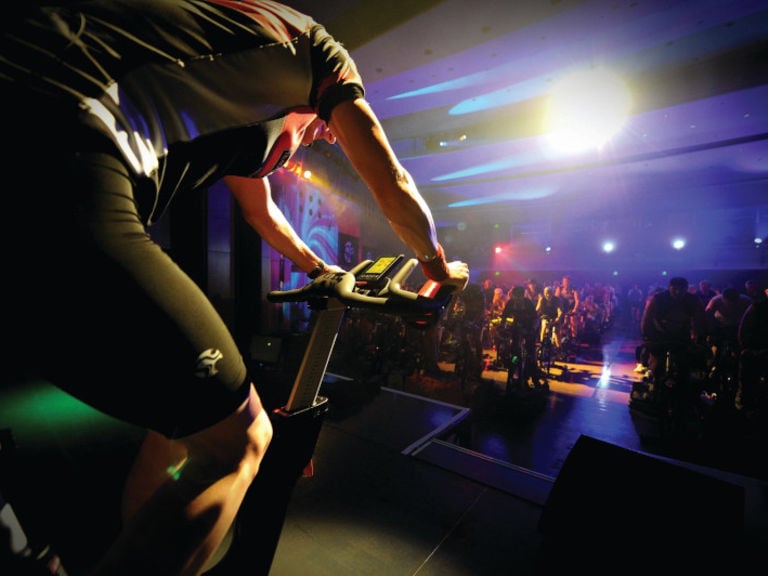
- Strengthen your lungs — Cross-training with activities like rowing or interval training on a stationary bike can help build your aerobic capacity, making breathing feel easier even on tough runs.
Still finding it tough? You might be going out too fast. When you’re learning how to breathe when running, slowing your pace slightly can help you stay in control and build stamina over time.
Breathing tips for treadmill runners
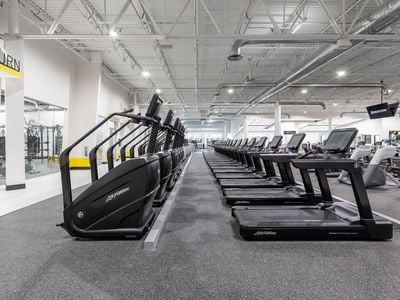
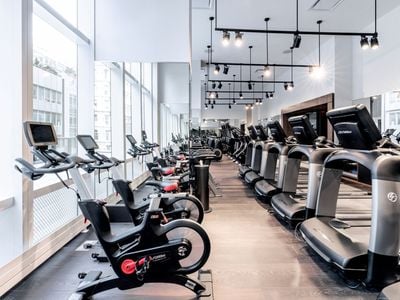
Running indoors adds another variable. While the terrain is steady, gym environments can feel warmer and more enclosed. So if you’re wondering how to breathe when running on a treadmill, keep a few things in mind:
- Stay upright — don’t lean too far forward. This keeps your lungs open and gives your diaphragm space to expand.
- Focus on steady inhales and long exhales to regulate your pace.
- If you’re doing interval training, use walking segments to practise recovery breathing.
Treadmills with built-in workout tracking can also help monitor your heart rate and pace, helping you connect your breathing with performance data.
Shop Life Fitness Equipment to support your running routine
From shock-absorbing treadmills to cross-trainers and rowers, Life Fitness offers cardio equipment that helps you train smarter, recover better and run longer. Our treadmills are designed with FlexDeck® cushioning to reduce joint strain, making it easier to maintain good posture and control your breath on every stride.
With immersive digital displays and real-time performance tracking, you can fine-tune your pace and practice how to breathe when you run. Stay motivated, focused and in control of your routine from start to finish.
Explore the Life Fitness range online, or contact our team for help finding the right cardio equipment for your home or gym setup.