









For many runners, the half marathon is a rewarding challenge. It’s long enough to test your stamina but achievable with the right training. If you’re just getting started or planning your first race, it’s worth understanding exactly how far you’ll be going and how to prepare.
How long is a half marathon?
If you’re wondering how far a half marathon is, the official distance is 21.0975 kilometres, or 13.1 miles. You’ll often hear it rounded up to 21.1 km, especially in training programs or race listings. This is the standard distance across all sanctioned half marathon events around the world.
So how many kilometres are in a half marathon? Just over 21 km, usually covered on road circuits, flat trails or looped courses depending on the event location. Runners preparing for a half marathon often train with long runs that gradually build to this distance (and sometimes slightly beyond) to build stamina and confidence before race day.
Why is the half marathon so popular?
The half marathon appeals to a wide range of runners because it bridges the gap between shorter races like 5Ks and 10Ks and the physically demanding marathon. It’s often the next step after someone has built up endurance in shorter distances and is looking for a new challenge. It’s long enough to require structured training, but short enough to be achievable for most recreational runners with consistency and planning.
How long does it take to train for a half marathon?
Training time varies depending on your current fitness level, but most beginner programs span 8 to 12 weeks. These programs are structured to gradually increase endurance, improve pacing, and build efficient breathing habits. If you’re starting from scratch, you’ll likely need the full 12 weeks to prepare. That typically includes three to four runs per week, a weekend long run, and some form of cross-training for added strength and recovery.
Knowing what the half marathon distance is helps you set realistic goals and plan your training blocks around hitting that number comfortably by race day.
What pace should you aim for in a half marathon?
Your ideal pace depends on your current fitness level and race-day goals. Beginners often aim for a pace between 6:30 to 7:30 minutes per kilometre, which allows them to run steadily without burning out too early. Intermediate runners may target 5:00 to 6:00 minutes per kilometre, while experienced runners often push closer to 4:30 minutes per kilometre or faster.
Whatever your goal, consistency matters more than speed. A strong pacing strategy means starting conservatively and maintaining a rhythm that leaves enough energy for the final kilometres. When considering how far a half marathon covers, keep in mind that 21.1 km is long enough to punish anyone who goes out too fast. Training with pace awareness — via a smartwatch, app or treadmill — can help you lock into a comfortable rhythm for race day.
Is running a half marathon achievable for beginners?
Absolutely. With the right preparation, most runners can complete a half marathon. The key is gradual progress, listening to your body and incorporating rest days into your routine. Many beginners train not to hit a specific time, but simply to finish strong and injury-free.
Shop Life Fitness Cardio Equipment to support your half marathon training
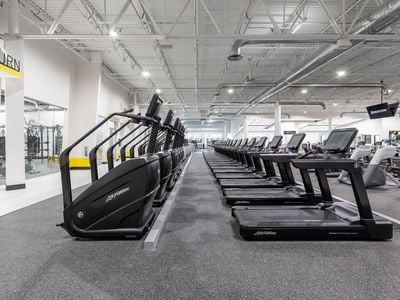
Training for a half marathon requires consistent effort, smart pacing and cardio equipment you can rely on. Life Fitness treadmills come equipped with shock-absorbing decks to reduce joint stress, on-demand training sessions to guide your runs and real-time performance tracking to monitor progress.
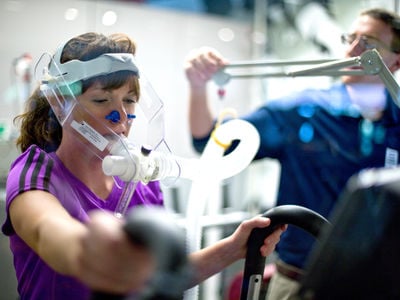
These tools can help you better manage your pace, build endurance and refine techniques like how to breathe when you run. Explore our cardio equipment, or reach out to our team for help choosing the right gear for your home or commercial gym.