









Most fitness enthusiasts have asked themselves at some point whether cardio or strength training burns more calories. The key is understanding how each one uses energy, how the calorie burn actually happens and how to choose the right mix for your goals. Once you understand these differences, you can build a routine that feels purposeful rather than guesswork. Here’s a breakdown of the benefits of both workout styles.
Factors that influence calorie burn
A meaningful calorie burn comparison has to account for the fact that not everyone uses energy in the same way. Several factors shape how many calories you burn during and after exercise.
Body weight
Heavier individuals generally burn more calories than lighter individuals when performing the same activity. Moving a greater mass requires more energy, which influences the overall calorie burn comparison between people of different sizes.
Speed and intensity
The faster or more intense an activity becomes, the higher your calorie burn. Increasing pace, adding resistance or raising your heart rate all drive up the energy demand.
Duration
Longer sessions naturally increase total calorie output. Even moderate intensity exercise can produce significant results when sustained for enough time.
Muscle mass
Individuals with more lean muscle tend to burn more calories at rest and during exercise. Muscle tissue is metabolically active, so maintaining or increasing muscle mass raises daily energy use.
How cardio burns calories
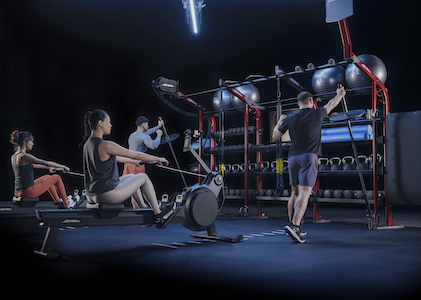
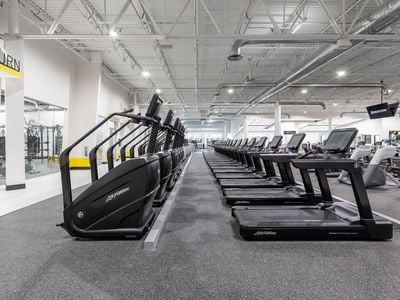
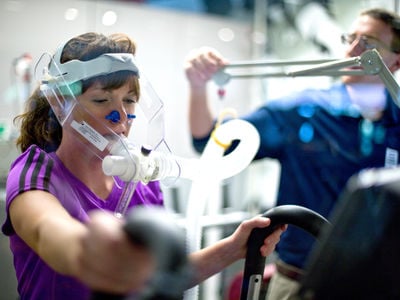
A cardio session typically creates the highest calorie burn in real time. When you walk, run, swim, cycle or use cardio machines like treadmills, rowers or ellipticals, your heart rate stays elevated for most of the session. A higher heart rate means your body uses more oxygen, and more oxygen use means a higher calorie demand. This is why even short cardio sessions can feel effective quickly.
One of the reasons cardio workout benefits are so widely recognised is that the energy use is immediate. You finish the session feeling warm, out of breath and aware that your body has worked. You can track distance, speed or calories on most machines, which helps many people stay motivated.
Key cardio workout benefits
Cardio also scales easily depending on your goals. A beginner can start with walking, while someone more conditioned can incorporate hills, intervals or longer sessions. That flexibility makes it suitable for almost every fitness level and every training environment. It also supports heart health, endurance and overall stamina.
For calorie-focused exercisers, cardio is useful because you can predict the level of output more clearly. Higher pace means higher burn. A longer time means a higher burn. This predictability is one of the reasons people lean on cardio when they want a quick answer to calorie use.
How strength training burns calories
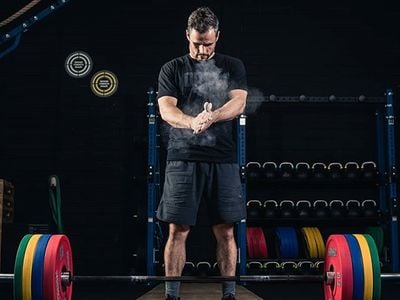
Strength training burns calories in a different way. Instead of relying on a continuously elevated heart rate, it uses short bouts of effort followed by rest. You might not feel the same level of breathlessness as you do in cardio, so at first glance, it can seem like strength burns fewer calories. However, the overall picture is far bigger.
One of the key benefits of a workout is the energy your body uses after you finish training. When you perform strength exercises, your muscles experience microstress that needs to be repaired. Rebuilding that tissue requires energy, which increases daily calorie use. This effect is often linked to something called excess post-exercise oxygen consumption, or EPOC. It refers to the additional oxygen your body uses after a workout while it restores normal function. That restoration process uses extra calories, and the effect can last for several hours.
Key strength workout benefits
Strength training builds and maintains lean muscle, and skeletal muscle tissue uses more energy than fat tissue. That means even when you are resting, a stronger body is using more calories. Over weeks and months, this can influence long-term energy balance in a way cardio alone cannot match.
Strength also improves joint function, bone density and overall movement quality. Many exercisers enjoy seeing their progress in the weights they lift or the movements they master.
Cardio vs strength: calories burned comparison
When you compare the two styles directly, the picture becomes clearer.
In most cases, cardio burns more calories during the session. A 30-minute run, fast cycle or row typically produces a higher immediate calorie burn than a 30-minute strength session. This is why the topic of cardio vs strength and calories burned from either exercise often leans heavily towards cardio in short-term comparisons.
However, strength training influences the total daily burn. Because of muscle building and post-workout recovery, the energy used across the day can be higher, even if the session itself shows a smaller number.
Choosing the best exercise approach for your goals
If your main goal is to burn as many calories as possible in a single workout, cardio is usually the fastest route. You can increase the intensity gradually, and you will feel the output immediately.
If your main goal is long-term calorie use, metabolic health or improved body composition, strength training plays a major role. It helps you maintain muscle, which is essential for keeping your daily energy use high.
If your goal is general fitness and energy, a blend is ideal to maximise cardio and strength workout benefits. Two to three strength sessions paired with two shorter cardio sessions suit most people and support consistent improvement.
Combine cardio and strength workouts with Life Fitness Australia
Cardio and strength should not be viewed as a competition. Cardio gives higher immediate calorie burn. Strength increases long-term energy use, supports muscle and improves overall resilience. When you combine them, you get a balanced routine that burns calories during and after workouts while also supporting strength, mobility and long-term health.
If you are ready to explore equipment for either training style, you can explore our range of commercial cardio machines or browse the latest strength equipment from the Hammer Strength range at Life Fitness.