










Training for a marathon is a big commitment but more than achievable with the right plan and mindset. If you’ve asked how to train for a marathon, you’re not the only one. It’s one of the most common goals for runners looking to push themselves. This guide will walk you through what to expect, how to approach your training without burning out and how to prepare your body and mind for the challenge.
How can I train for a marathon?
The key to successful marathon training is consistency and progression. Start by building a weekly routine that includes:
- 3 to 4 runs per week, including one long run
- Rest and recovery days, equally important as training days
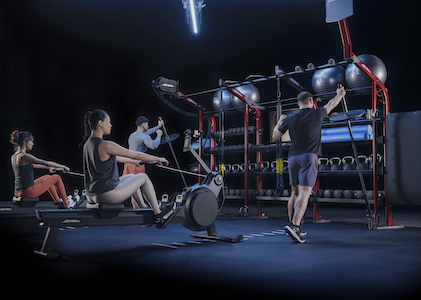
- Cross-training, such as cycling or rowing, to build aerobic endurance without overloading the same muscles
- Strength training, focusing on your legs, core and glutes to improve running efficiency
Your long runs will gradually increase in distance over time. These runs build the endurance you need to complete 42.2 km on race day. During the week, you’ll also mix in shorter recovery runs, tempo runs (to improve pace) and easy runs to maintain consistency without overtraining.
It’s a good idea to follow a training plan designed by a running coach or health professional — especially if this is your first marathon. Avoid copying someone else’s routine without adapting it to your own fitness level.
How long does it take to train for a marathon?
How long it takes to train for a marathon depends on your starting point. Most beginner programs run for 16 to 20 weeks. If you’ve already built a base of regular running, you might be able to train in a shorter timeframe. But if you’re starting from scratch, allow closer to five months. Longer training programs allow for more gradual progress and lower risk of injury.
How do I train for a marathon without overtraining?
Marathon training is demanding, but overtraining can undo all your progress. To avoid it:
- Listen to your body — Rest days are non-negotiable. If you’re constantly fatigued or losing motivation, you might be doing too much.
- Track your metrics — Tools like heart rate monitors, pace tracking and sleep data can help spot early signs of overtraining.
- Follow a gradual progression — Most training plans increase mileage by 10% per week, with a “down week” every three to four weeks for recovery.
Include mobility work, stretching and enough sleep in your weekly plan. Training harder doesn’t always mean better results. Training smarter does.
What else should you consider when training for a marathon?
Aside from running and recovery, prepare for other elements of the marathon experience:
- Gear — Invest in proper running shoes suited to your gait and foot shape. Avoid wearing brand-new shoes on race day.
- Pacing — Practice pacing during long runs to find a rhythm that’s sustainable for 42.2 km.
- Race simulation — Do a few runs under race-like conditions (time of day, terrain, nutrition) so you’re mentally prepared.
If you’re still asking how to train to run a marathon, the answer is: by doing the small things consistently. You don’t need to run fast all the time, but you do need to keep showing up.
Support your marathon training with Life Fitness treadmills
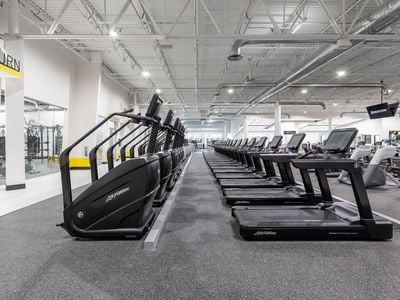
Treadmill training gives you control over pace, incline and distance. It’s an effective part of how to train for a marathon, especially when outdoor conditions aren’t ideal. Life Fitness treadmills are built for long-distance performance, with FlexDeck® shock absorption to reduce joint impact and help you maintain good form through every stride. Track speed, cadence and heart rate in real time with digital consoles designed to support structured training blocks.
Log recovery kilometres and simulate race pace. These treadmills help you stay consistent and focused from your first training week to race day. Explore the Life Fitness treadmill range online or speak with our team to find the right fit for your marathon goals.